Essays ·
Deepavali, and the Food We Share
A Deepavali greeting, and a look at the Indian food traditions that found a home on Singapore’s streets and at our tables.
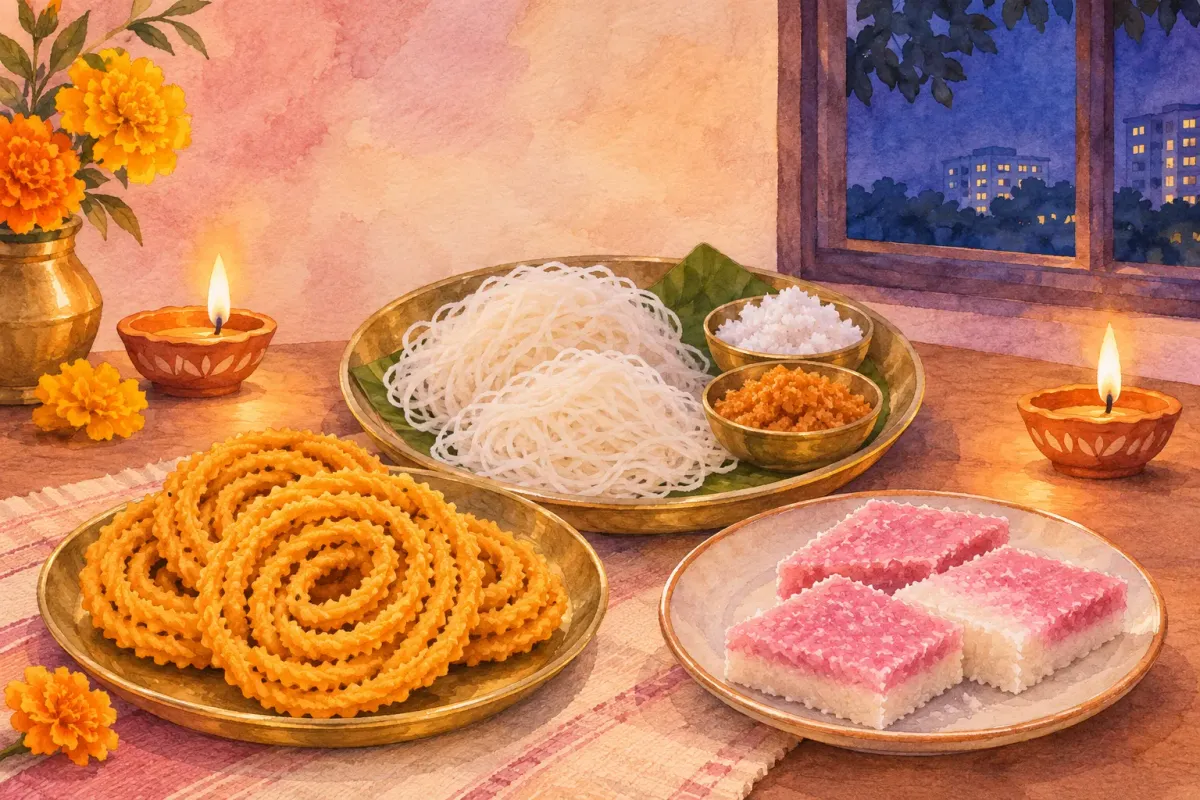
Happy Deepavali to everyone celebrating, and happy Diwali to my friends and colleagues who know the festival by that name. Wishing you and your families good health, happiness and time together.
There is much to celebrate around a Deepavali table. There is also more history in the food than we tend to notice between mouthfuls.
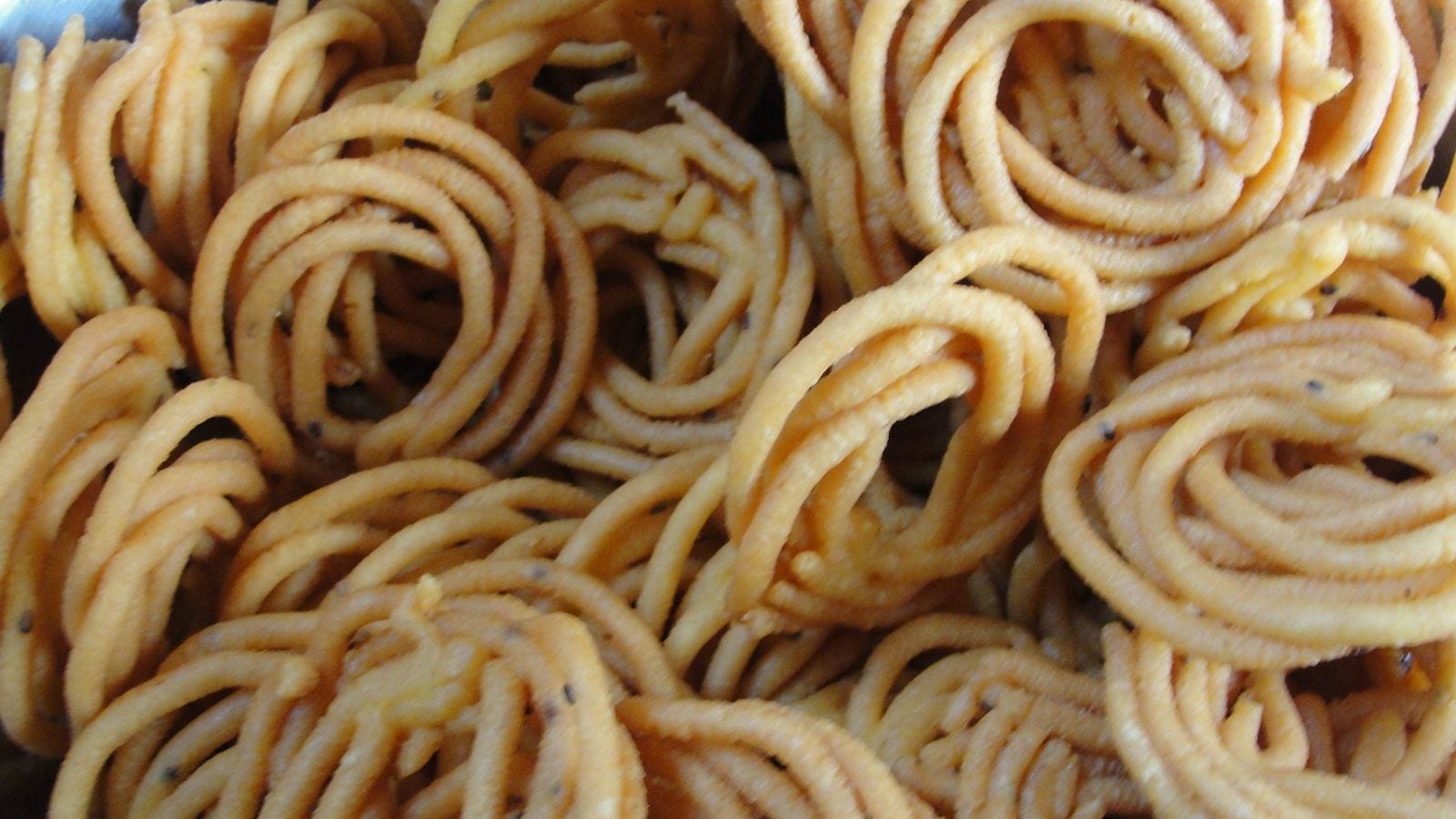
Take murukku. Its name comes from the Tamil word for ‘twisted’, familiar in the crisp coils made with rice flour, urad dal and spices. Or coconut burfi, which many Singaporeans know simply as coconut candy. Some families begin their Deepavali meal with something sweet, marking an auspicious start.

The festival itself carries different stories. Many South Indian Hindus commemorate Krishna’s defeat of Narakasura. In many North Indian traditions, lamps welcome Rama’s return to Ayodhya. Light overcoming darkness is a shared theme, expressed through different family and regional customs.
That diversity deserves more attention than our convenient label of ‘Indian food’ allows. We can recognise a dish immediately and still know very little about the people who brought it here.
Indian hawkers were feeding Singapore long before our permanent hawker centres. The National Library Board records vendors selling vadai, murukku, kacang puteh and Indian rojak near schools and street corners during the colonial period. Indian Muslim vendors also sold tea and buns. These were livelihoods built around feeding people as they went about their day.
Putu mayam offers a particularly good connection between that history and today’s celebrations.
By the 1920s, itinerant hawkers were selling it in Singapore, carrying baskets on their heads. The fine rice-flour strands came with grated coconut and, in earlier servings, small pieces of gula melaka. The coloured granulated sugar familiar today came later.
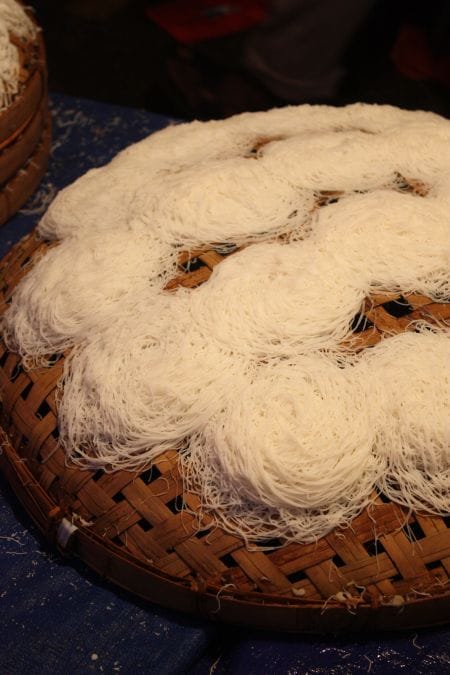

Related to South Indian idiyappam, putu mayam found a place on Deepavali tables. Indian Muslim traders also helped it become popular at Malay festivities. Its journey reminds me that sharing food across communities does not require us to share the same faith. Nor does calling it Singaporean make its Indian roots any less important.
I think that is something we get right when we are at our best. We make room for another community’s food in our everyday lives. Over time, it becomes familiar enough to miss when it is gone.
Keeping it around takes more than an appetite. Someone still has to learn the dough, the timing and the judgement behind a good batch. There are usually more volunteers to finish the murukku than to make it.
That is a small part of what I hope to support through the Saving our Hawker Heritage Plan and Hawker Library: understanding where our food comes from, and helping the people who make it pass their craft on.
Today, my thanks go to the families, hawkers and cooks preparing food for others. Your work makes these celebrations possible, often while everyone else is sitting down to enjoy them.
To everyone celebrating, may your home be filled with warmth and good company. I hope the year ahead brings you much to be thankful for, and many more meals together.